

# 15 | Is It Anxiety Or Is It Perimenopause?
For many women, the first signs of perimenopause have nothing to do with hot flushes. They show up as a low hum of anxiety that wasn't there before, sleep that starts fragmenting for no obvious reason, a short fuse that feels out of character or a creeping sense that something is just off. These symptoms are real, hormonal and are being missed in clinical settings at a rate that should concern all of us.

# 14 | How to Check Your Fertility
Whether you are thinking about having children soon, at some point in the future, or simply want a clearer picture of your reproductive health, understanding your fertility is one of the most valuable things you can do for your body. For many women, fertility remains something of a mystery, like a topic only raised when conception becomes a goal or when it starts to feel difficult. At HER, we believe that knowledge is something you deserve at every stage, not only when you are actively trying.
So here is what you actually need to know.
# 13 | How Sexual Violence Affects Women’s Health
Sexual violence is one of the most widespread public health issues of our time. The World Health Organization estimates that approximately 1 in 3 women will experience physical or sexual violence during their lifetime, but when we talk about its consequences, the conversation almost always centres on mental health, and rightfully so.
# 12 | Women and Creatine
Creatine is becoming another holy grail for women with promises far beyond strength and muscle. Creatine has traditionally been marketed toward male athletes and body builders, yet growing research is exploring its role in women’s health. Social media often frames creatine as essential for every woman, but the science is more nuanced. Some benefits are well supported, particularly in the context of strength training. Others remain promising but inconclusive.

# 11 | Endometriosis: What Your Body Has Been Trying to Tell You
Every March, the world turns yellow and black, the colours of endometriosis awareness. But for the estimated 190 million people living with this condition globally, awareness isn't just a ribbon or a social media post. It is years of being told that their pain is "normal". It is consultations that lead nowhere, diagnoses deferred, and quality of life quietly eroding while waiting for answers that feel impossibly out of reach.

# 10 | PMS vs PMDD: Understanding the Difference and What You Can Do
Most women are familiar with the emotional ups and downs, bloating, tiredness, or irritability that can show up in the week or so before a period, this constellation of symptoms is often labelled “PMS” (premenstrual syndrome). It’s so common that up to three in four women experience some symptoms before menstruation at some point in their lives.

# 9 | Cervical Cancer, HPV, and the Test That Saves Lives
Cervical cancer is one of the most preventable cancers affecting women, yet it continues to claim lives every year. This is not due to lack of tools but because awareness, access, and follow-through still fall short.
# 8 | Women’s Health in 2026: The 10 Shifts We Need
2025 was the year women collectively said: enough. Enough with being medically gaslit, under-researched, misdiagnosed, and left to “figure it out” alone. As we step into a new year, one thing is clear: women are no longer waiting for the system to catch up, we’re demanding it.
At HER, we’re starting 2026 with intention. Here are the 10 shifts we believe must define women’s health this year, in clinics, in workplaces, in research, and in culture.
# 7 | Why Women Feel More Exhausted in December
December carries a particular kind of intensity for women. While the world celebrates the season, many women are quietly carrying the mental load, the emotional labour, and the invisible work that makes the holidays run smoothly. It is supposed to be a time of joy, yet for so many it becomes the month where exhaustion peaks.
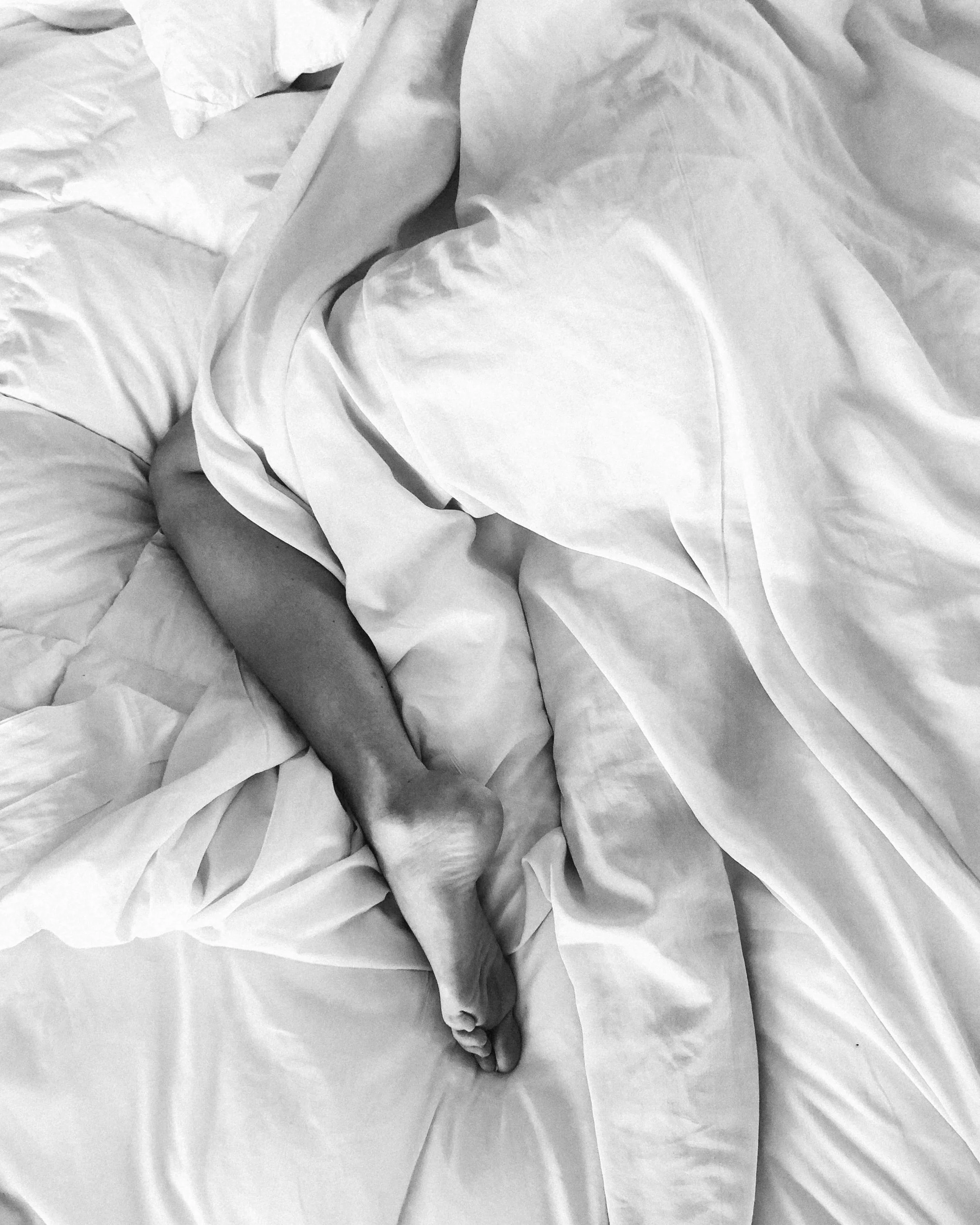
# 6 | Sleep and Hormones: Why Rest Feels Elusive for So Many Women
If you’ve ever found yourself wide awake at 3am, wondering why sleep feels impossible during midlife, you are not alone. For many women, perimenopause and menopause bring a wave of sleep disturbances. Research shows that declining oestrogen and progesterone play a significant role in insomnia, restless nights, and poor-quality sleep. Add to that hot flashes, night sweats, and changes in mood, and it’s no surprise that up to 60% of women in menopause report significant sleep problems.